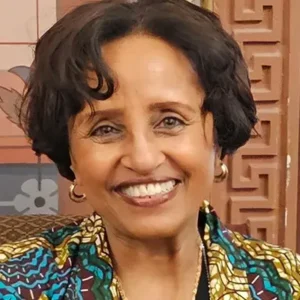

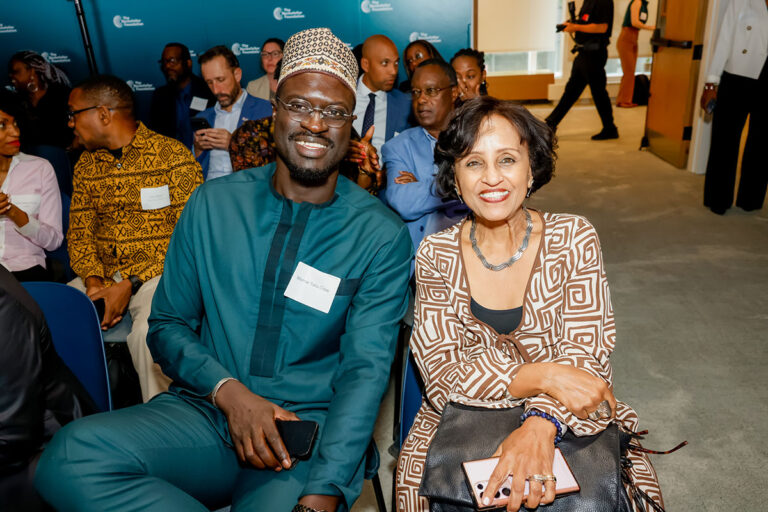
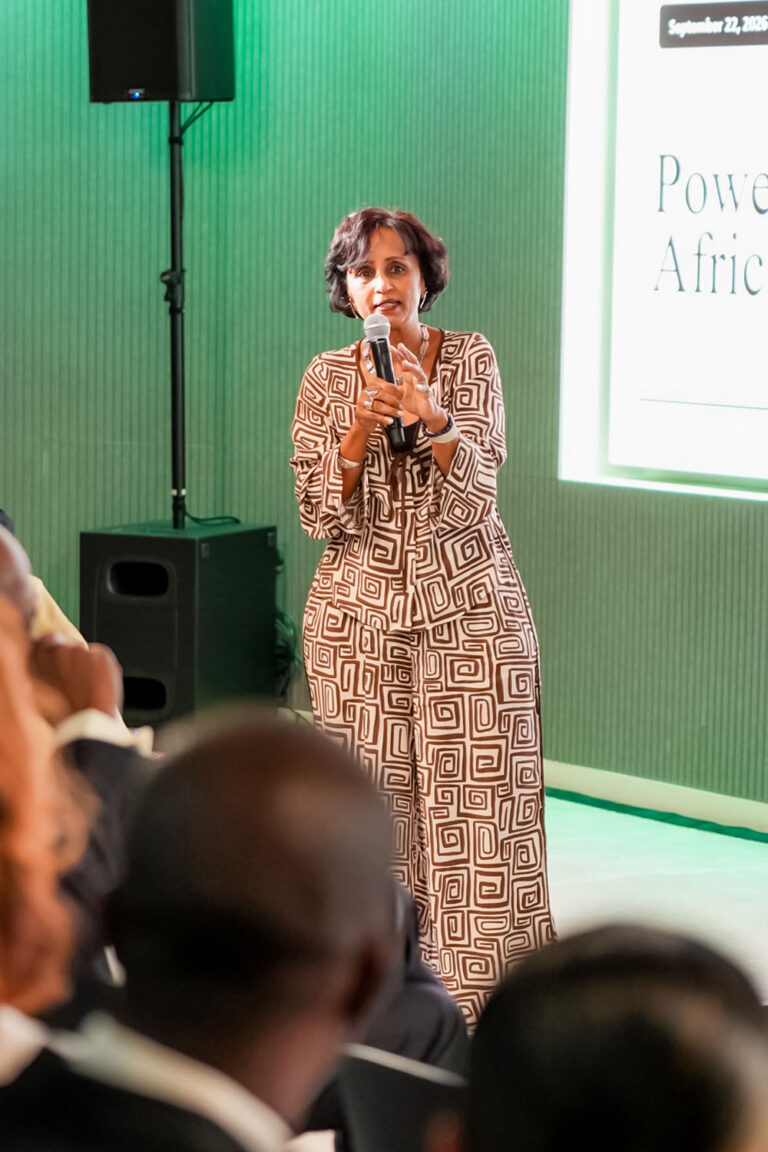
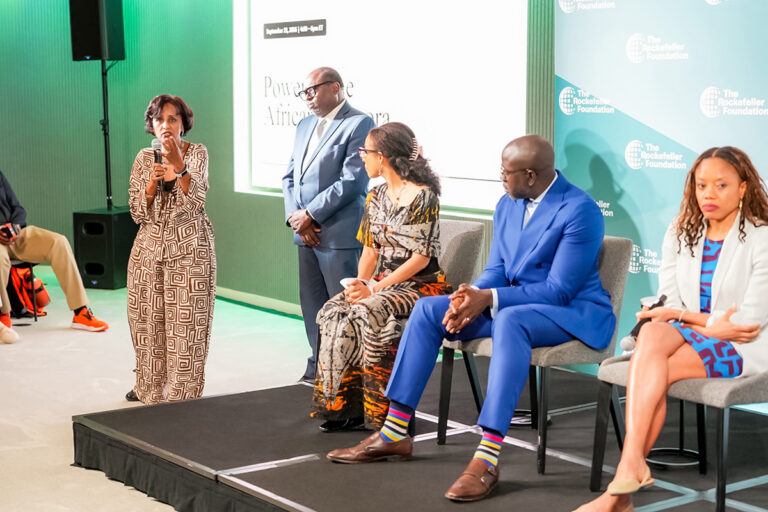
This September, I had the opportunity to travel to Washington, D.C., Boston, and New York, where my team and I participated in some of the most interesting conversations about the African diaspora that I have experienced in years.
I came home with a lot to think about.
Three Cities, Numerous Conversations, One Question
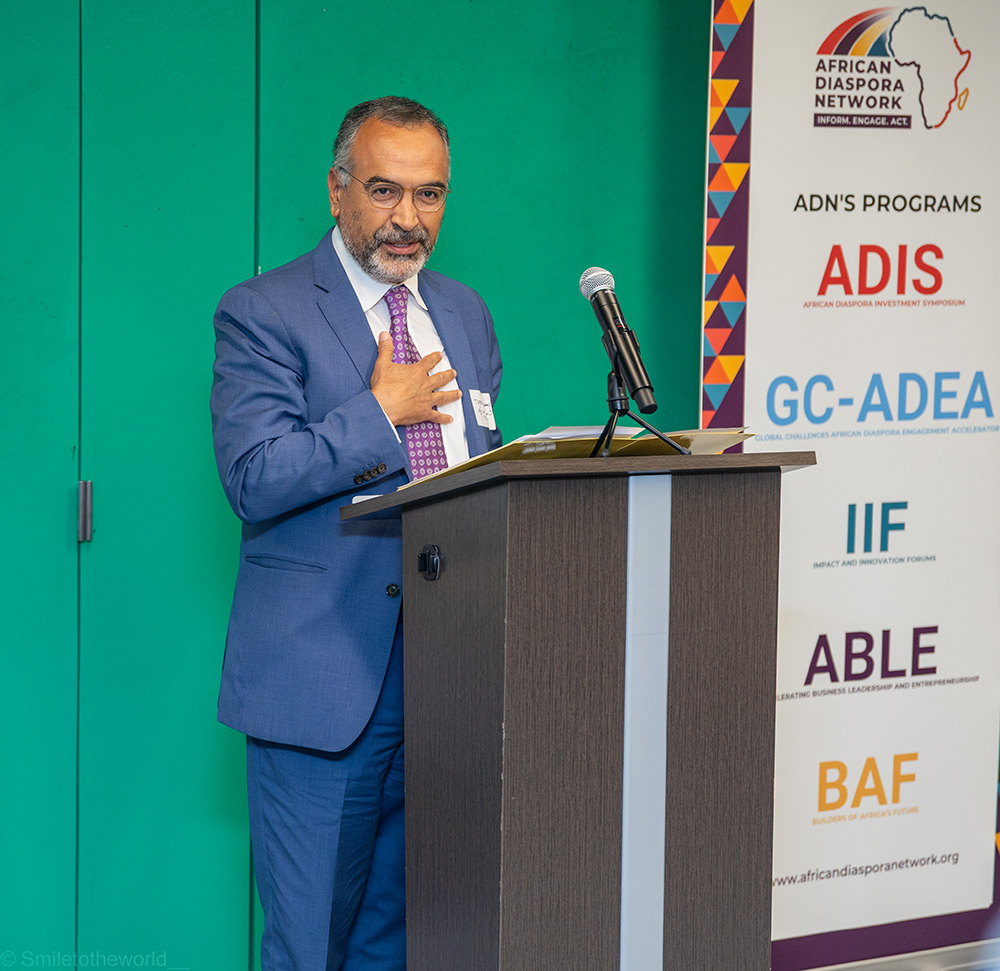
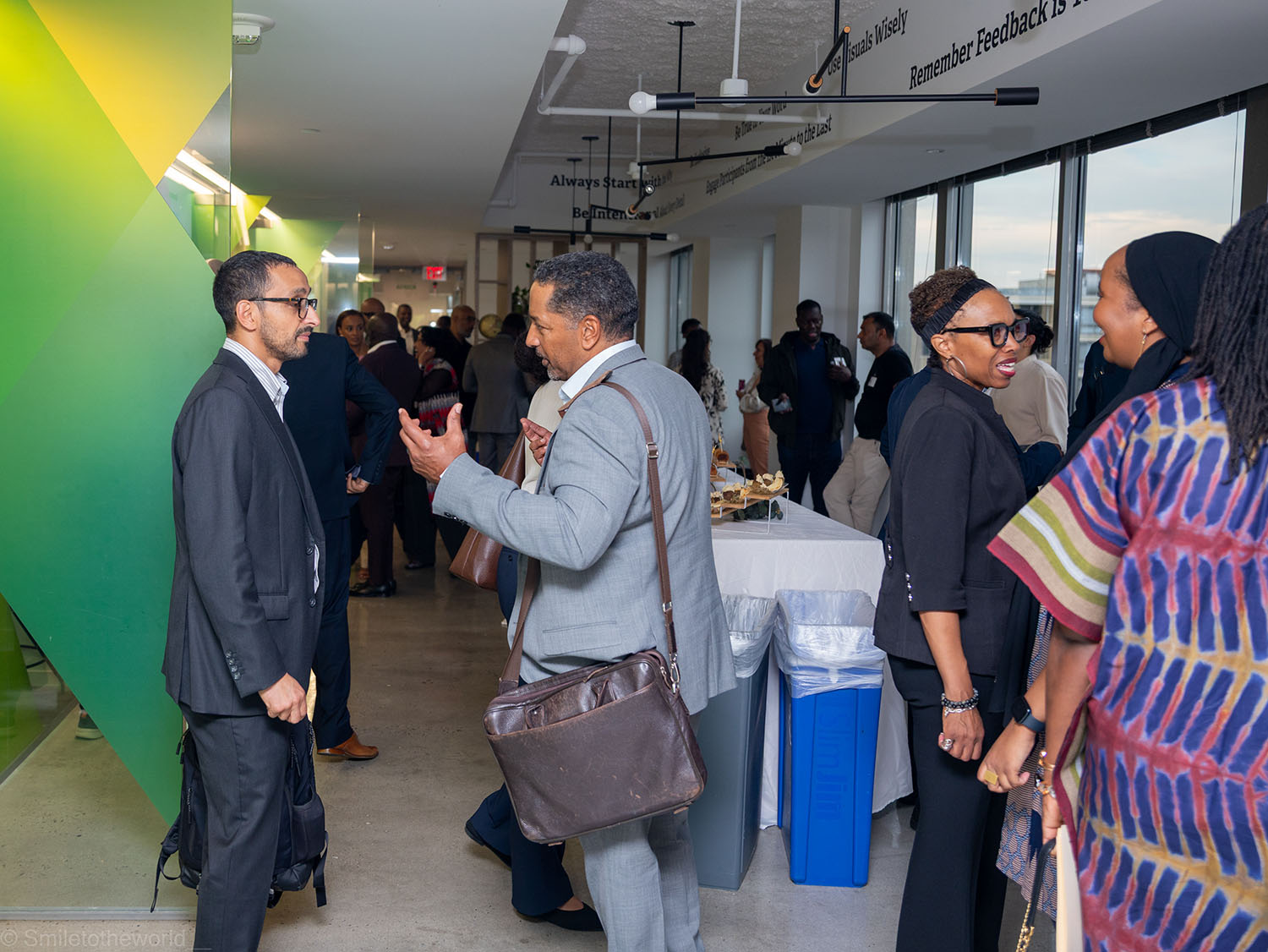
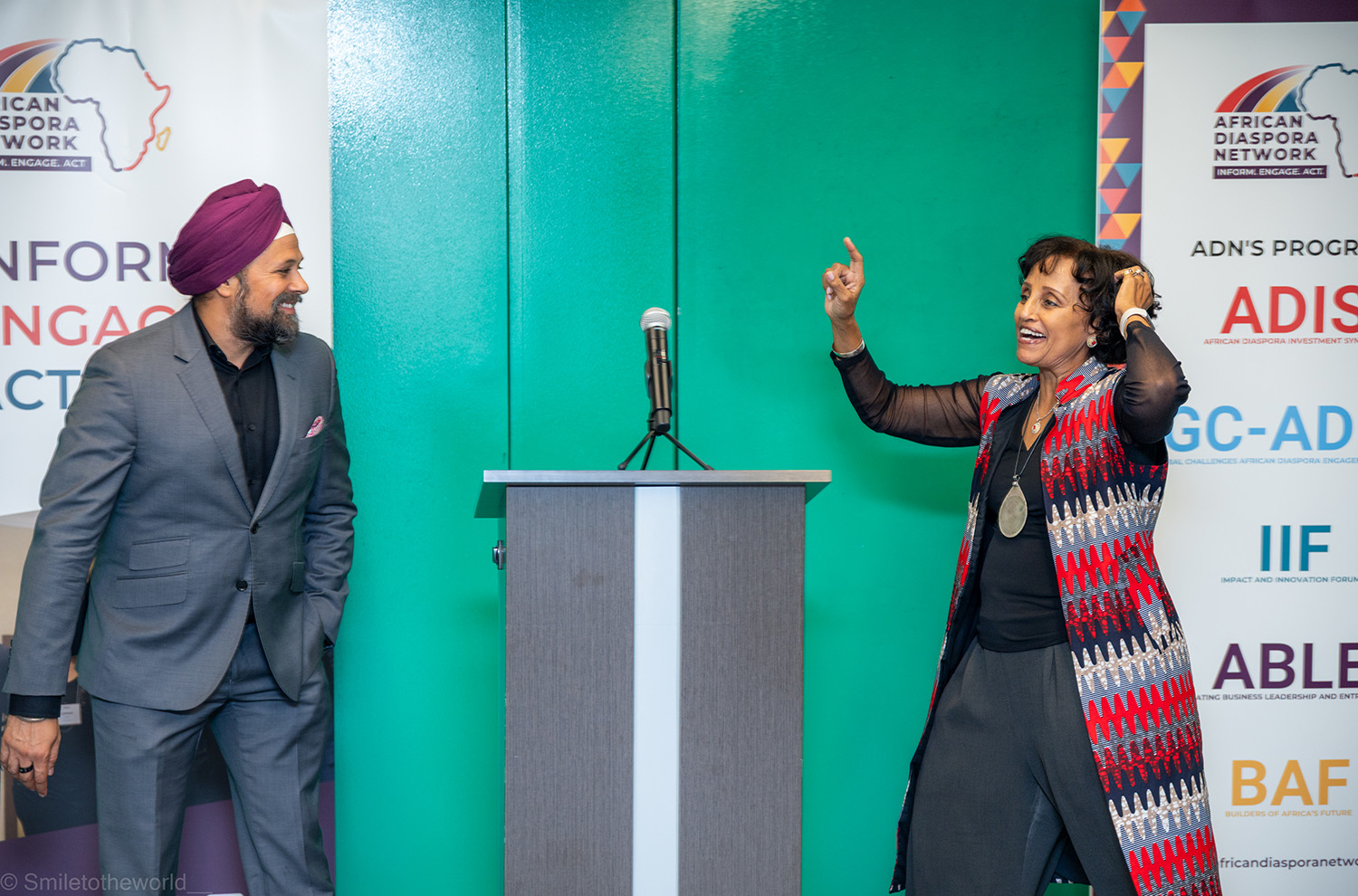
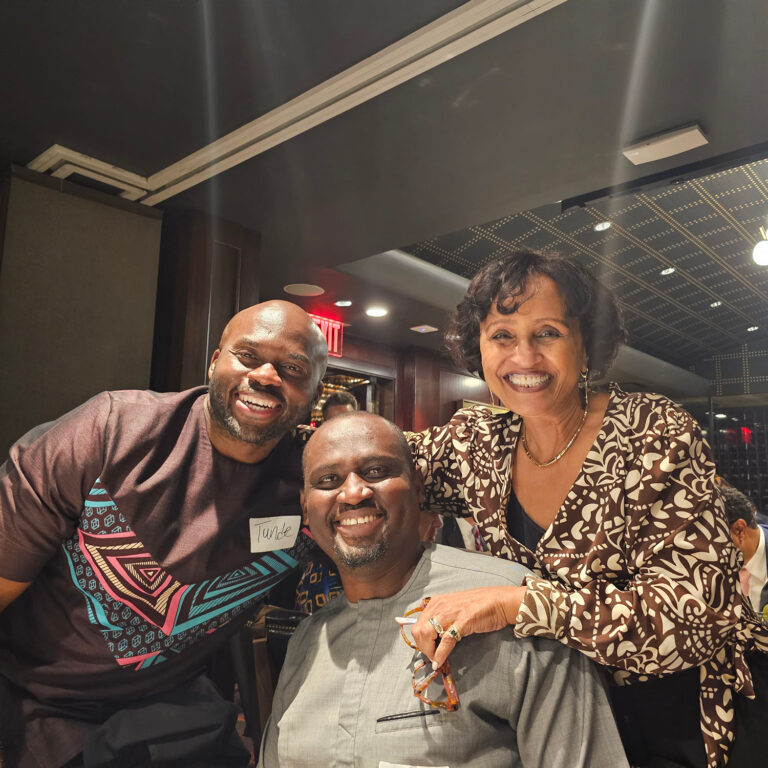
I began the journey in Washington, D.C., where we opened our new ADN office. It was a particularly meaningful moment for me—not simply because we now have a physical presence in Washington, but because of what the opening represented. Our team brought together a diverse group of people from across the diaspora, government, and the broader community to reaffirm something that has been at the heart of ADN since the beginning: collaboration, partnership, and action.
We were honored to have the Ghanaian Ambassador to the United States, His Excellency Victor Emmanuel Smith, deliver the keynote, and I followed that with conversations with African Union officials and others working to shape the future of the continent and its diaspora.
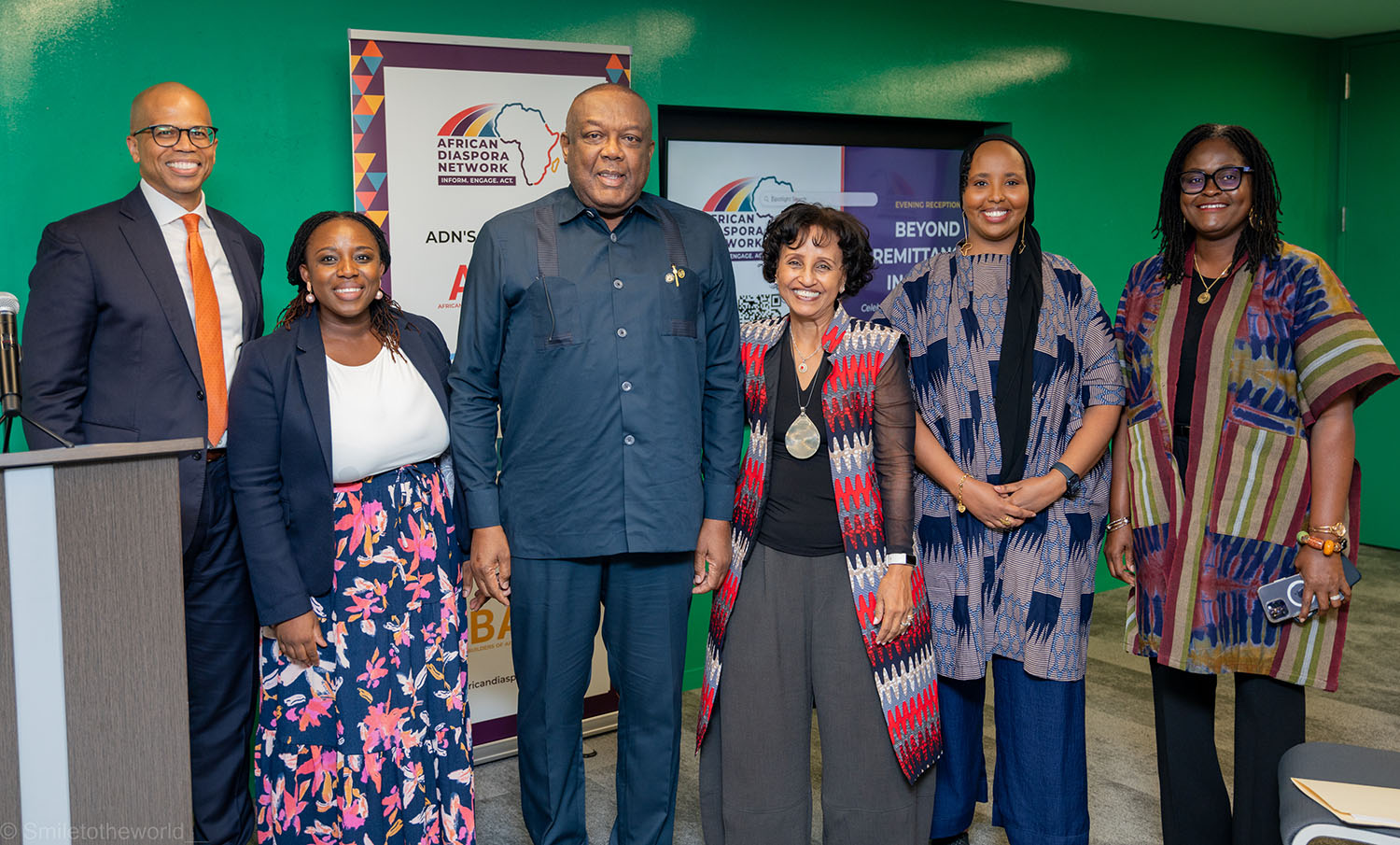
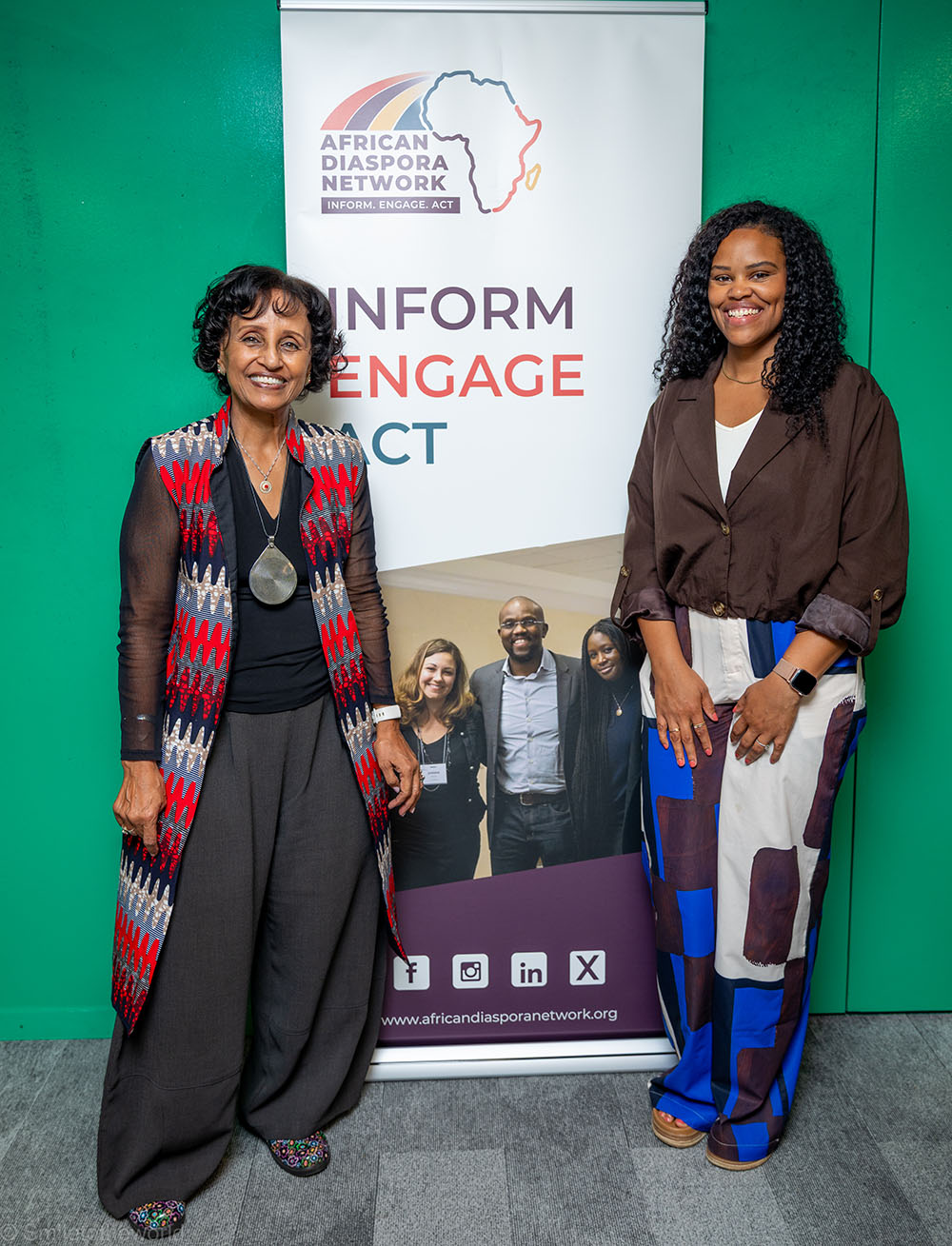
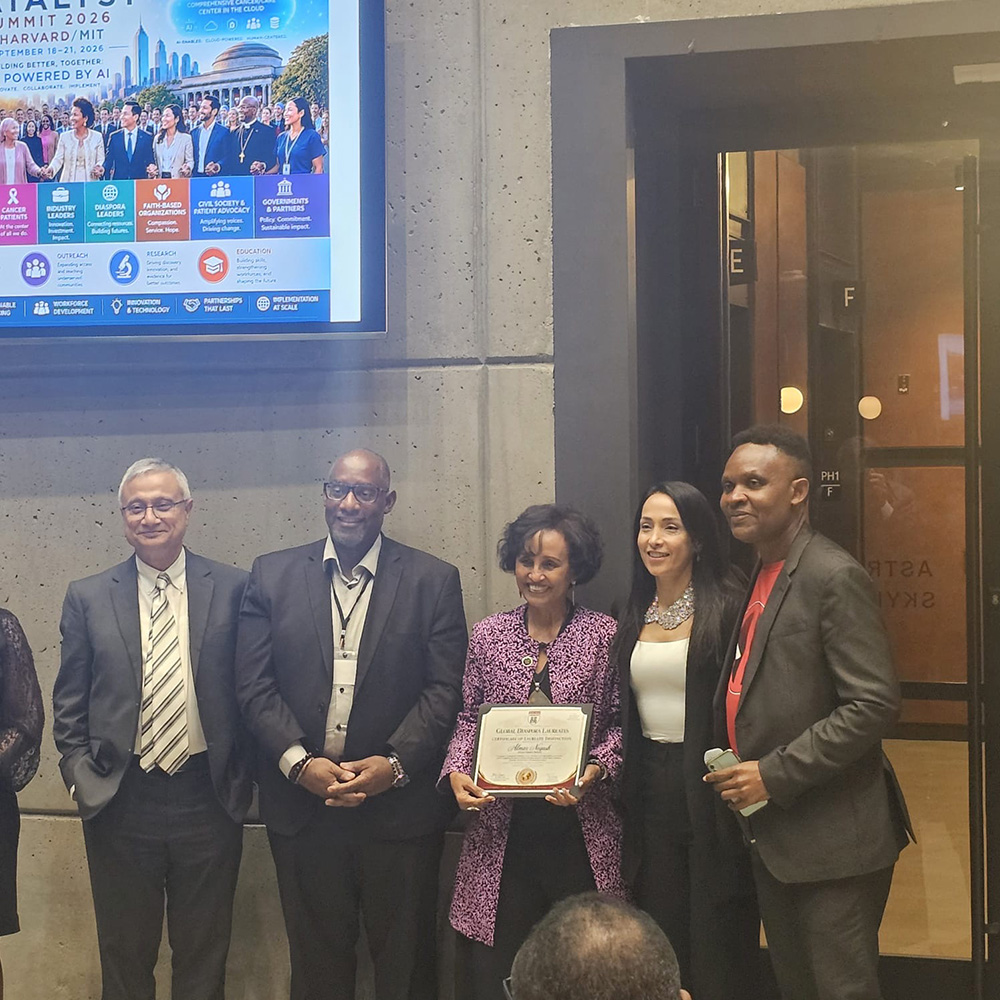
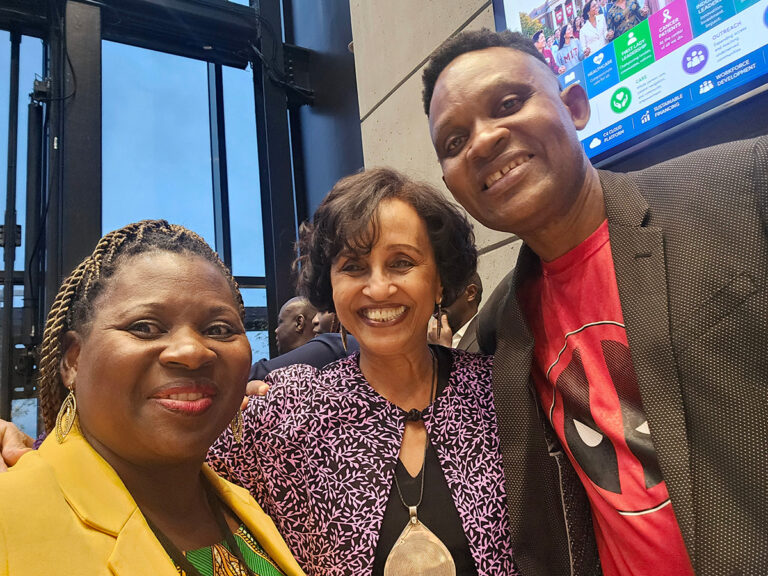
From D.C., I traveled to Boston, where I received the Global Health Catalyst Diaspora Laureate recognition in person. That was one of the highlights of my career. What made it even more meaningful was the generosity of the MIT and Harvard hosts and their genuine commitment to the diaspora. I left Boston thinking about how far the conversation has come—and how much more there is to do.
Then it was on to New York and UNGA.
For an entire week, I found myself in room after room where the conversation came back to the same question: How do we unlock the talent, time, and capital of the African diaspora?
Government leaders were asking it. Foundations were asking it. Development institutions, investors, universities, and diaspora leaders were asking it.
And I found myself thinking: We have been asking and working to answer this question for sixteen years.
That realization brought me back to why the African Diaspora Network was founded in the first place. Conversations about social entrepreneurship, innovation, and development were happening in Silicon Valley and beyond, yet the voices of the African diaspora—the very people with the deepest stake in the continent’s success—were largely absent.
So, we made a bet.
We bet that the global African diaspora, spread across more than a hundred countries, represented one of the most powerful and underused forces for Africa’s development. Not as a sentimental constituency. Not simply as people who send money home. But as a source of talent, time, and treasure that could be mobilized with intention.
At the time, that was not an obvious bet. There was a prevailing assumption that Africans in the diaspora could not come together — that we were too fragmented by country, language, generation, and history to act collectively. We were told, in ways subtle and not so subtle, that we would not be able to bring people to the table.
But we did. We built the table. And we built it around a simple idea that still guides ADN today: Inform. Engage. Act.
Today, more than 15,000 people across 115 countries are part of this network. The table we built turned out to be much bigger than we imagined.
What has been missing is not commitment. What has been missing is trusted infrastructure—credible pathways that connect diaspora commitment to the entrepreneurs and institutions that can put it to work.
That is the gap ADN was built to close. And it is a gap that I now see the world beginning to recognize.
The Questions Ahead
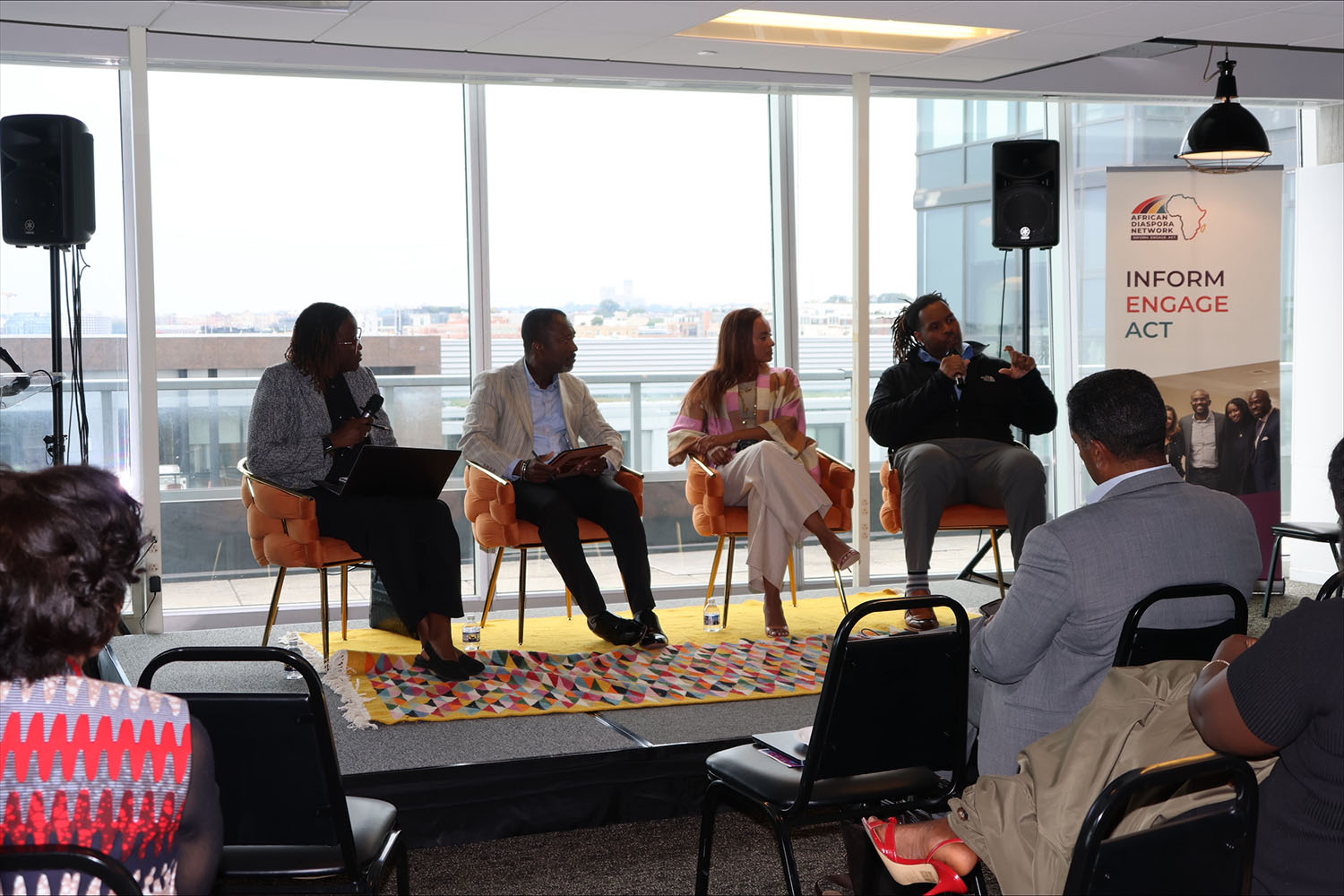
During UNGA, ADN’s team, board, and advisors were engaged in conversations across sustainable education financing, philanthropy, Agenda 2063, trade and investment, and the architecture and the architecture needed to move diaspora capital from individual giving toward coordinated investment.
We also hosted our annual UNGA gathering with Myriad USA, bringing together leaders to explore diaspora giving, investment, and collective action.
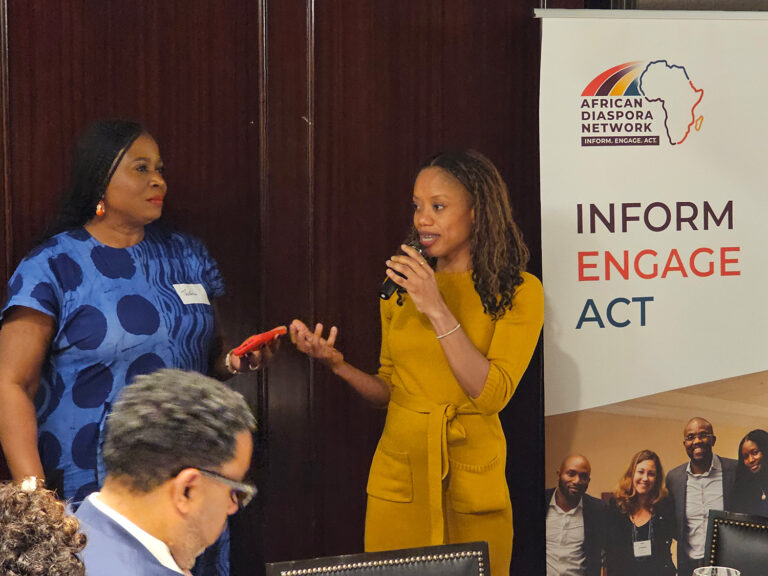
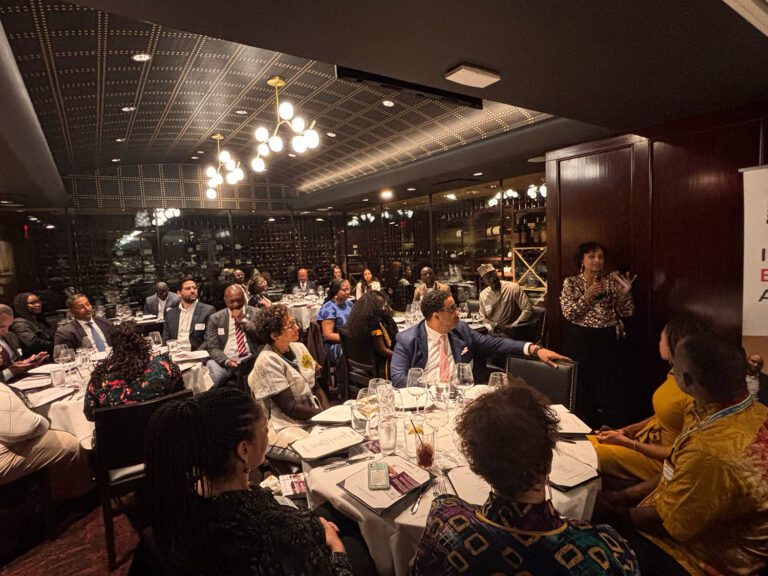
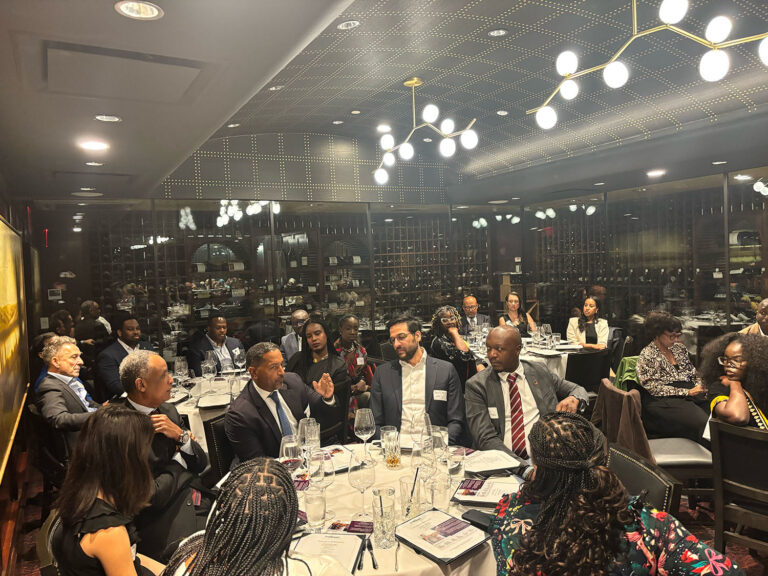
Across these convenings, what struck me was how many of these conversations were no longer about whether the diaspora matters. That question appears to have been settled.
The question now is how.
- How do we move from recognition to infrastructure?
- How do we move from remittances to investment?
- How do we move from inviting the diaspora into conversations to giving the diaspora a role in shaping priorities?
And perhaps most importantly, how do we make sure that this moment produces lasting institutions rather than simply another round of conferences and declarations?
So, as I think about the next chapter, these are some of the questions I am sitting with—and that I hope others in this space will sit with too:
- What would need to be true for a diaspora professional to move some of their money from remittances or informal giving into an investment vehicle for Africa?
- What is the biggest barrier today: information, trust, investable opportunities, or financial products that were never designed with the diaspora in mind?
- How do governments, universities, NGOs, foundations, development banks, and the private sector build partnerships in which each plays to its strengths rather than working in parallel, and in which the diaspora helps set priorities rather than simply funding priorities set elsewhere?
- How do we make sure that the intra-African diaspora is part of this conversation—not only those living in the United States and Europe?
And perhaps the hardest question: after years of recognizing the diaspora symbolically, are we ready to build the systems and institutions that turn that recognition into results?
The Work Ahead
Sixteen years ago, we planted a seed because we believed that the diaspora would come together if someone built the table. Today, the table is fuller than ever and the world is paying attention.
Our responsibility now is to make sure this moment produces more than conversations. It must produce the trusted infrastructure, partnerships, investment, and institutions that can turn the enormous potential of the African diaspora into lasting economic opportunity.
That is the work ahead, and ADN invites you to build it with us.
Here’s how you can be part of it:
- Stay informed: Subscribe to our newsletter.
- Engage: Join us at the 2026 Accelerating Business Leadership & Entrepreneurship (ABLE) Pitch Day in Silicon Valley.
- Act: Invest in grassroots entrepreneurs through the African Diaspora Innovation Fund (AfDIF).
- Connect: Get in touch to learn how you can mentor, or volunteer.
With appreciation,