
The Diaspora Was Already in the Room

The Diaspora Was Already in the Room

2026 African Economic Conference (AEC)

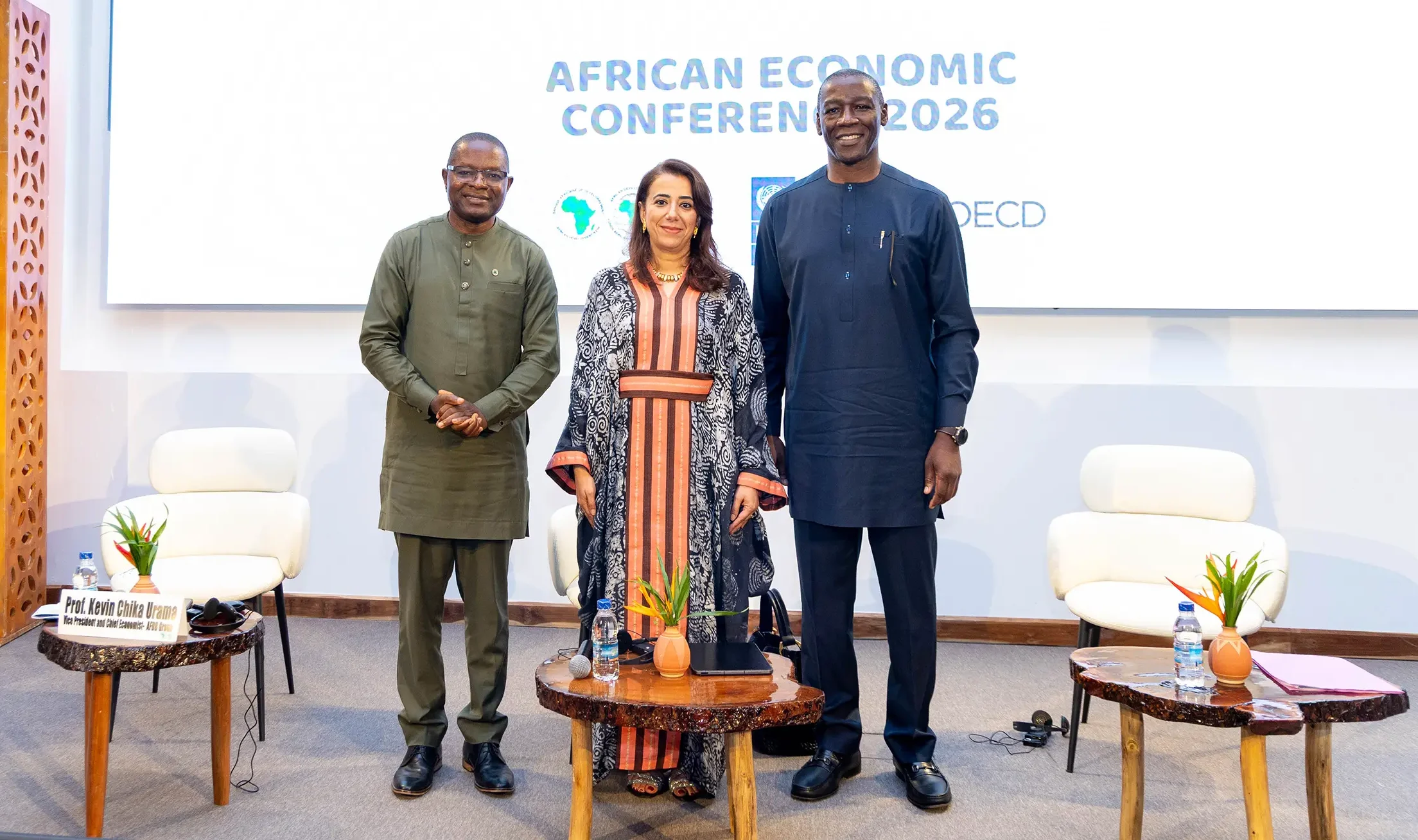
Earlier this month, I traveled to Abidjan, Côte d’Ivoire, at the invitation of Prof. Kevin Chika Urama, Chief Economist and Vice President for Economic Governance and Knowledge Management at the African Development Bank Group. The occasion was the 2026 African Economic Conference (AEC), co-hosted by the AfDB, UNDP, and OECD, held under a theme that could not have felt more urgent: Strengthening Africa’s Geopolitical Agency and Trade Resilience in a Multipolar World.

I went expecting to spend three days immersed in debt restructuring frameworks, trade policy, and central bank coordination — and I did. But what stayed with me most wasn’t on the agenda at all. It was the room itself.

Who Was Actually in the Room

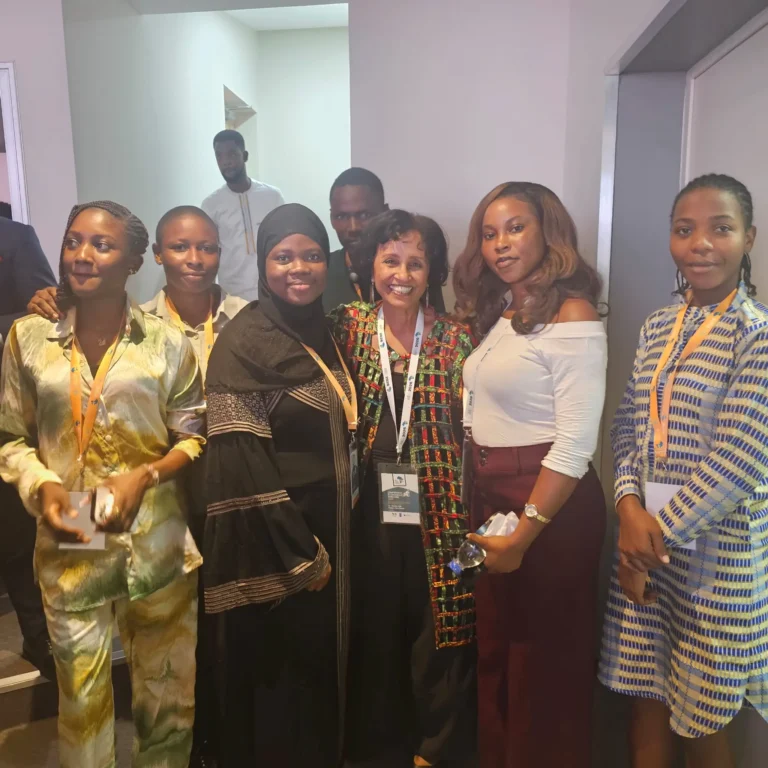
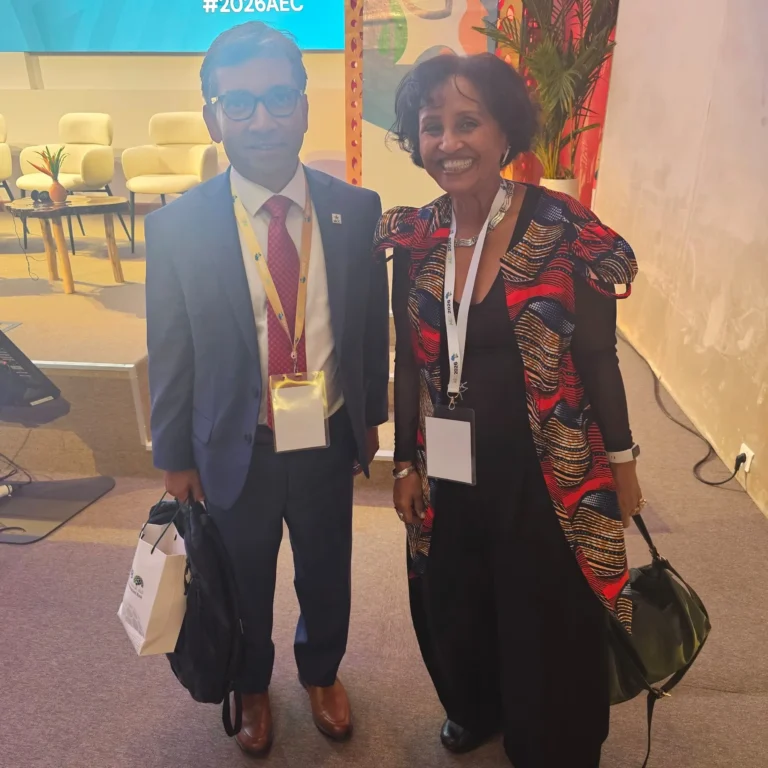
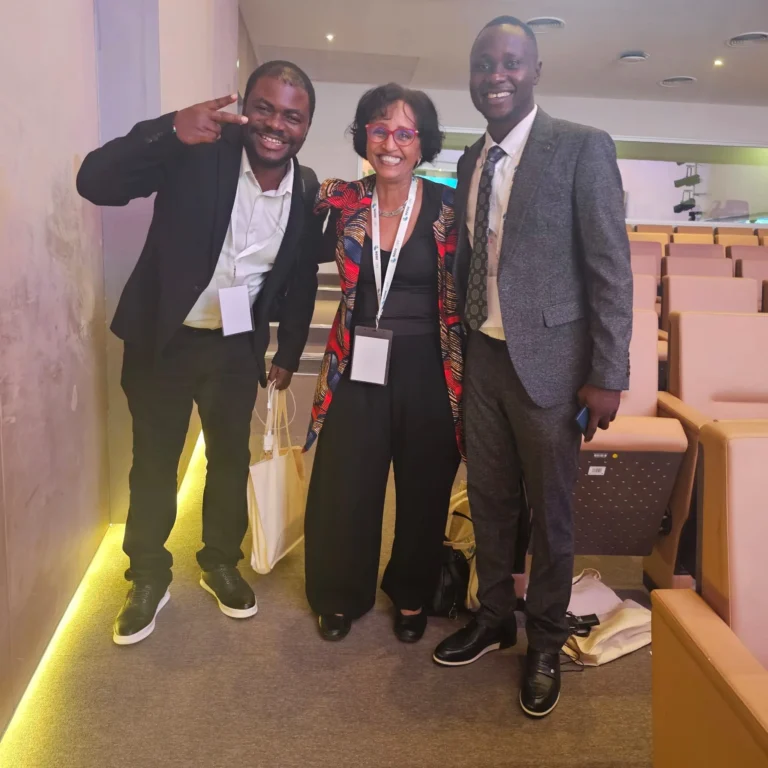
Over the course of the conference, I met Nigerians working in Côte d’Ivoire. South Africans working in Ghana. Ethiopians working in Kenya. Practitioners and economists from every corner of the continent, living and working in African countries that were not their own. It kept happening, conversation after conversation, until I couldn’t stop noticing it.

We talk a great deal about the African diaspora as though it lives almost entirely outside Africa — in London, Washington, Toronto, Dubai. That story isn’t wrong, but it’s incomplete, and the incompleteness matters. The truth is that 70-80 percent of African migration (roughly over 21 million) happens within Africa. The diaspora isn’t only the economist in a Geneva office or the scientist in a Boston lab. It’s also the Nigerian building a career in Abidjan and the Ethiopian shaping policy in Nairobi. That is diaspora too, and it is arguably the version of it doing the most immediate, on-the-ground work of building the continent’s institutions.

This is brain circulation in its truest form — not professionals returning from abroad on a project basis, but African expertise already in constant motion across African borders, embedding itself in the institutions that are shaping the continent’s future.

A New Voice at the Table

2026 African Economic Conference (AEC)

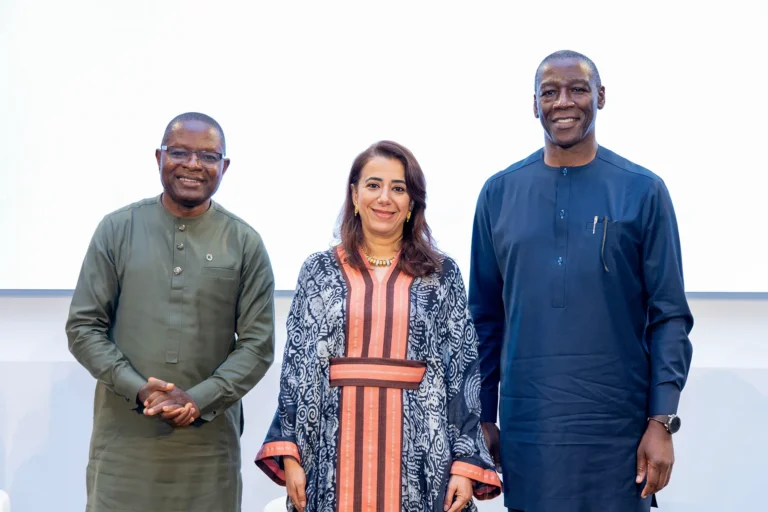
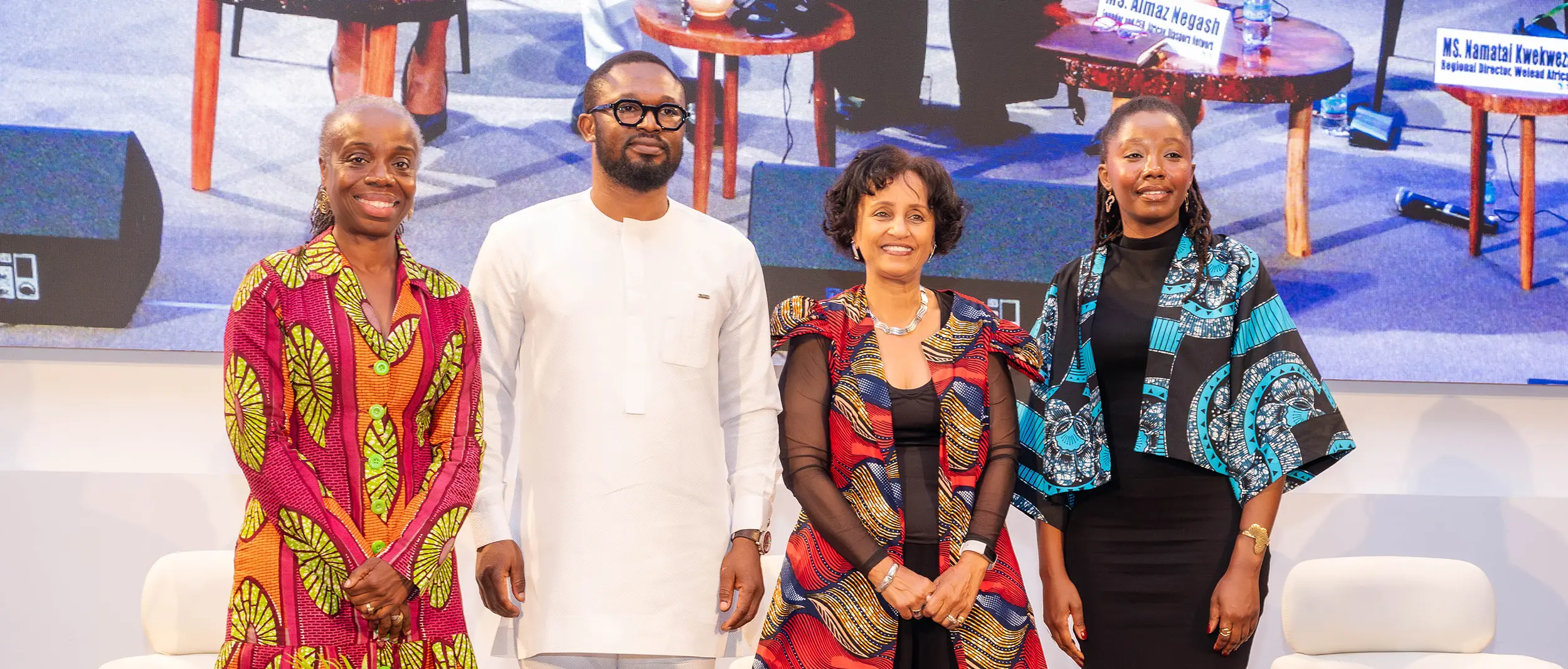
Against that backdrop, the launch of the African Chief Economists Network, (ACE Network) felt like exactly the right institutional response to what I was seeing informally in every hallway conversation. For the first time, chief economists from finance ministries, central banks, development finance institutions, universities, and the private sector across the continent now have a standing platform to coordinate: to share research, flag early warning signs, and, critically, to speak with one voice when they sit across the table from creditors, trade partners, and multilateral institutions negotiating the terms of Africa’s debt and its place in the global economy.

This matters more than it might sound. For decades, African countries have often negotiated debt restructuring, interest terms, and trade agreements one at a time, individually, without the benefit of a shared analytical base or coordinated strategy. A continent that can pool its economic intelligence walks into those negotiations with real leverage. The ACE-Network is built to do exactly that, and I believe it is one of the most consequential institutional developments to come out of Africa’s economic policy space in years.

Where ADN Fits
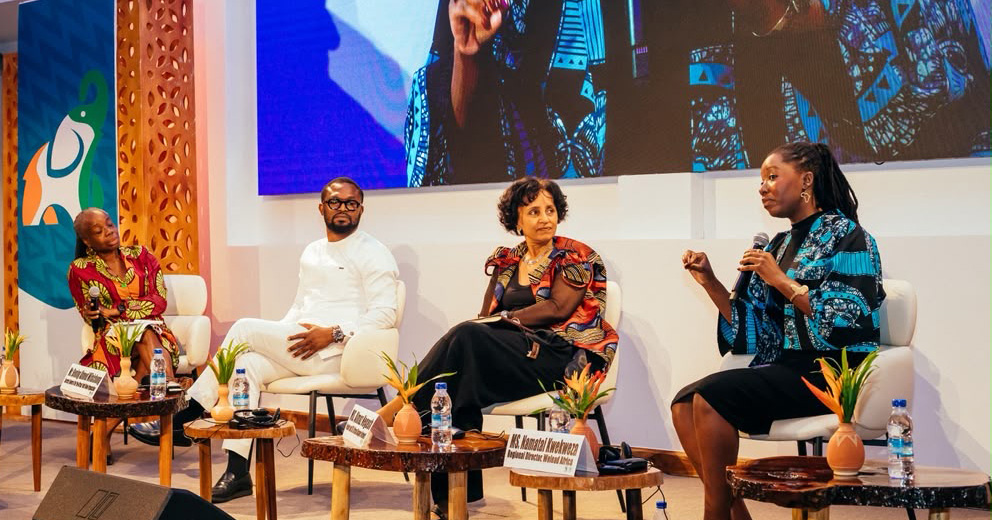
Sitting in those sessions, I kept returning to a question that has shaped my work for over a decade: where does the diaspora, in the fullest sense of that word, fit into this story?
Africa’s diaspora, at home and abroad, includes thousands of economists, financial analysts, and policy experts trained at the world’s top institutions, now working inside multilateral bodies, credit rating agencies, investment banks, and, just as importantly, inside African governments and institutions outside their own countries of origin. They understand both languages: the technical grammar of global finance, and the lived urgency of the continent it affects. That dual fluency, wherever in the world or on the continent it happens to sit, is an asset Africa cannot afford to leave on the table.

This isn’t an abstraction for ADN. We’ve been building toward this exact picture of the diaspora for a while now. Together with Africa Practice, we’ve been developing a project to identify, understand, and ultimately mobilize the intra-African diaspora specifically — the communities of Africans living and working across borders on the continent, not just abroad. The work starts with a straightforward but under-addressed question: who and where are these communities, and how are they connected? Using social media data analysis alongside on-the-ground key informant interviews, the partnership aims to map intra-African diaspora communities in a set of focal countries, laying the groundwork for the kind of engagement that can eventually turn that population into a recognized development actor — one with a role in catalyzing intra-African trade, deepening cross-border resilience, and correcting the narrative that African migration is primarily a story about leaving the continent. Abidjan was that same story playing out in person, room by room, rather than in a dataset.

This is the heart of what I have come to call Beyond Remittances — the idea that the diaspora’s most valuable contribution to Africa’s future isn’t just the money sent home, but the intellectual capital, networks, and expertise that circulate back into institutions like the ACE-Network, strengthening Africa’s hand exactly where it needs strengthening most: in the rooms where debt terms, trade rules, and investment flows get decided. Abidjan made it clear that this circulation is already happening intra-continentally, often without the institutional recognition or support it deserves.

While in Abidjan, I had the chance to speak with Prof. Urama and his team about exactly this — how the African Diaspora Network and the AfDB might build a more intentional partnership to channel diaspora expertise and capital, wherever that diaspora is based, back into the continent’s economic institutions. It was a candid conversation, and there is real work ahead, but the door is open, and I left Abidjan energized about what’s possible.

Takeaways: Prof. Urama's Challenge and Opportunity
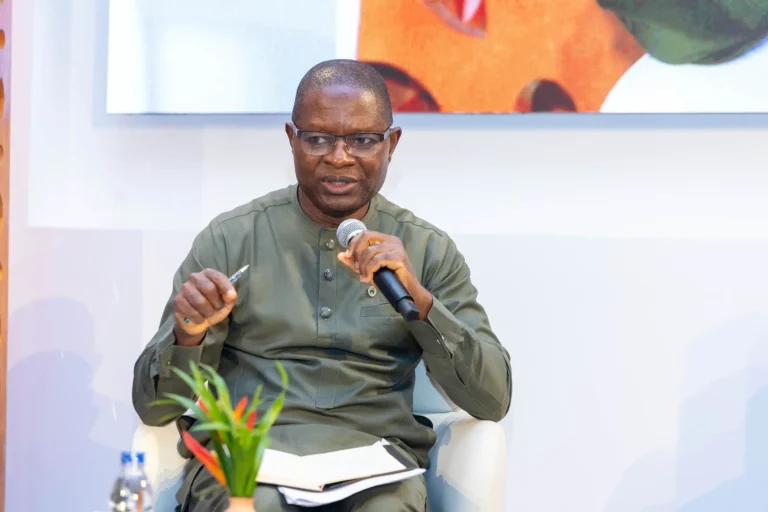
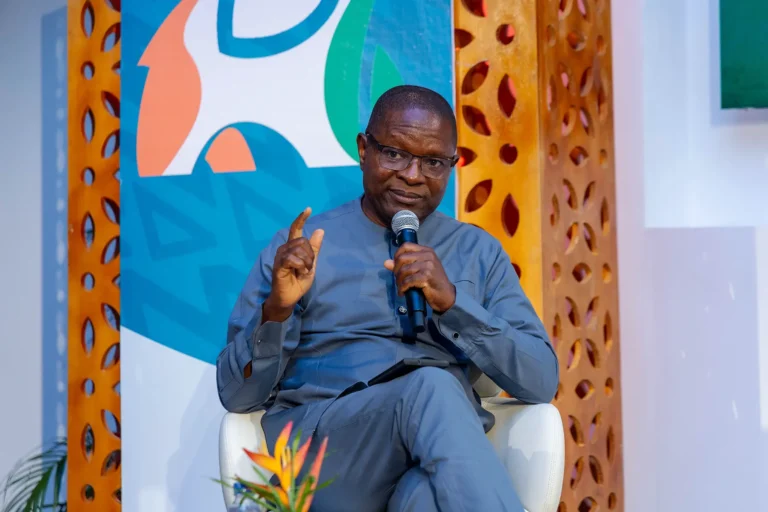
Prof. Urama’s keynote was the throughline of the conference for me, and it’s worth pulling out on its own. He walked the room through the arc of global economic partnership — from a unipolar order, to a bipolar one, to today’s multipolar landscape shaped by the United States, China, and the EU together. He spent most of his time in that last frame, and deliberately so: his vision was solution-oriented rather than grievance-oriented, an invitation to build rather than to complain.

A few points from his remarks that I think deserve to sit with our readers:

  • Economic diplomacy. Africa’s leverage in a multipolar world depends on speaking with coordination, not as fragmented negotiators. This is precisely what the ACE-Network is built for.
  • Revenue mobilization, and the cost of debt. Africa spends an estimated $87 billion a year simply servicing debt. Prof. Urama was direct that this must change, and that remittances, and diaspora capital more broadly, have a real role to play in easing that burden. He also flagged a hard truth: the poorer the country, the higher the interest rate it is charged, compounding the very inequality that debt relief is supposed to address.
  • The upside case. Prof. Urama balanced today’s fiscal pressures with a powerful message of optimism. Africa’s untapped domestic revenue potential is estimated at $781 billion annually, while structured policies could increase African diaspora investments from $104.8 billion today to $179 billion by 2030—and as much as $1.1 trillion by 2050. His point was clear: Africa’s financing challenge is not simply about finding more money. It is about creating the policies, institutions, and partnerships that allow African capital—both at home and across the diaspora—to work more effectively for Africa’s development.
 

Just as significant, to me, was his openness to expanding the ACE-Network itself: a real willingness to consider bringing diaspora economists, including those based outside the continent, into the network as full participants in shaping Africa’s economic future, not as outside commentators
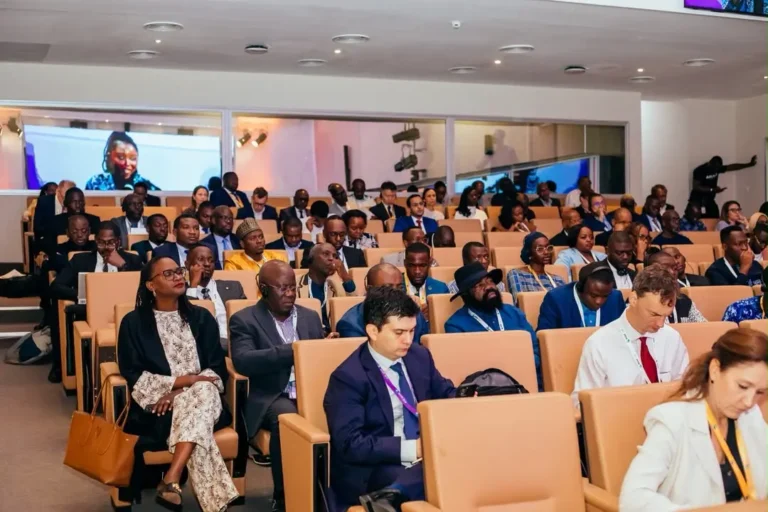
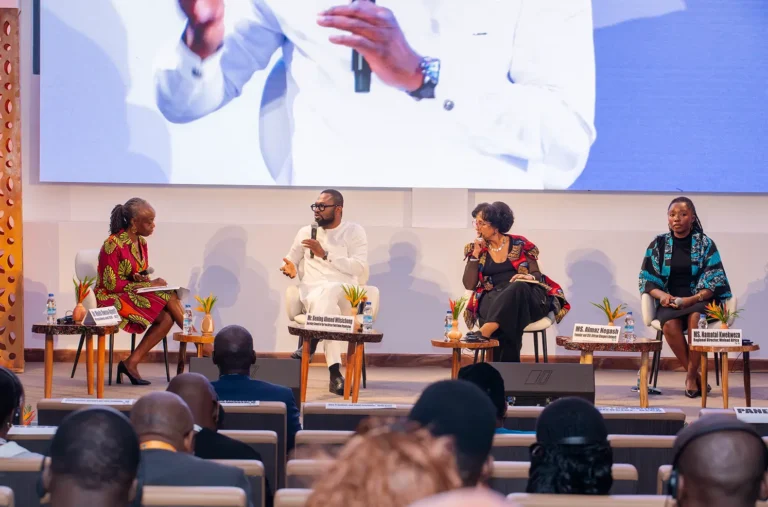
ADN is committed to being part of that bigger picture: Africa’s sustainable development, built so that every child, woman, man, family, and community can thrive. The foundation for that kind of ecosystem begins with imagining the future, and building it together, today.

Like this article?

Share on Facebook
Share on Twitter
Share on LinkedIn
Email

Leave a comment