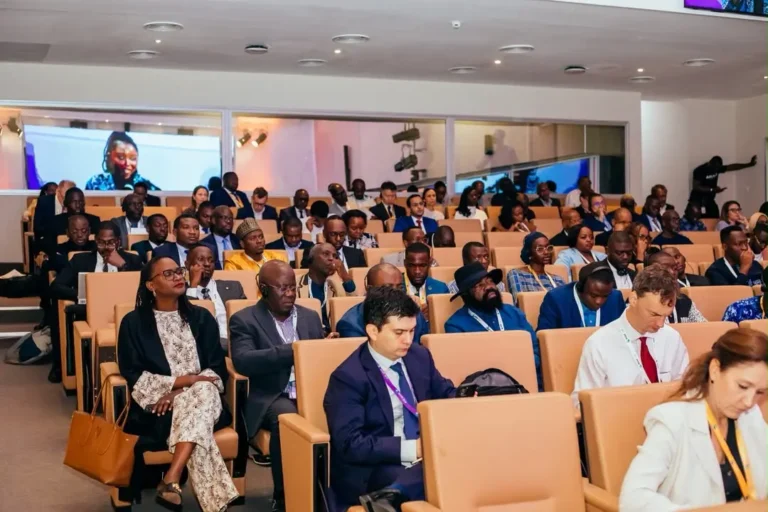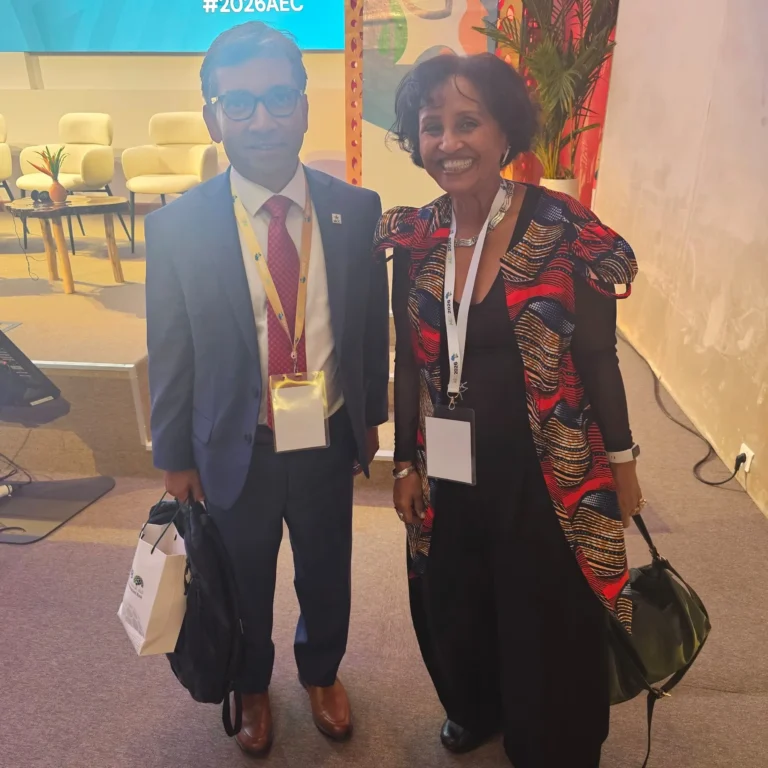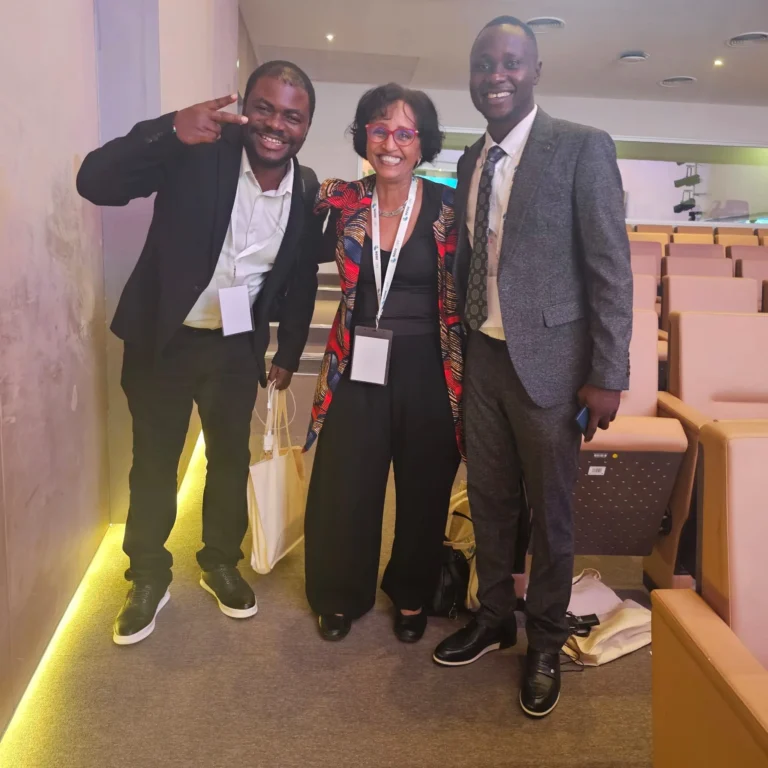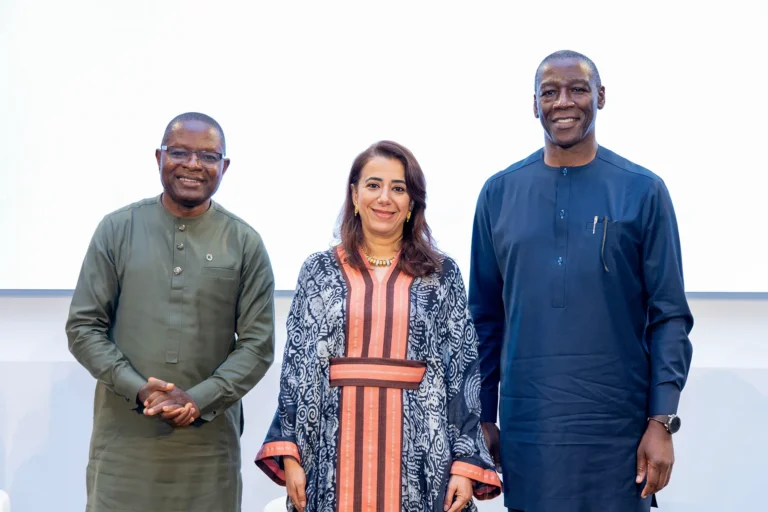

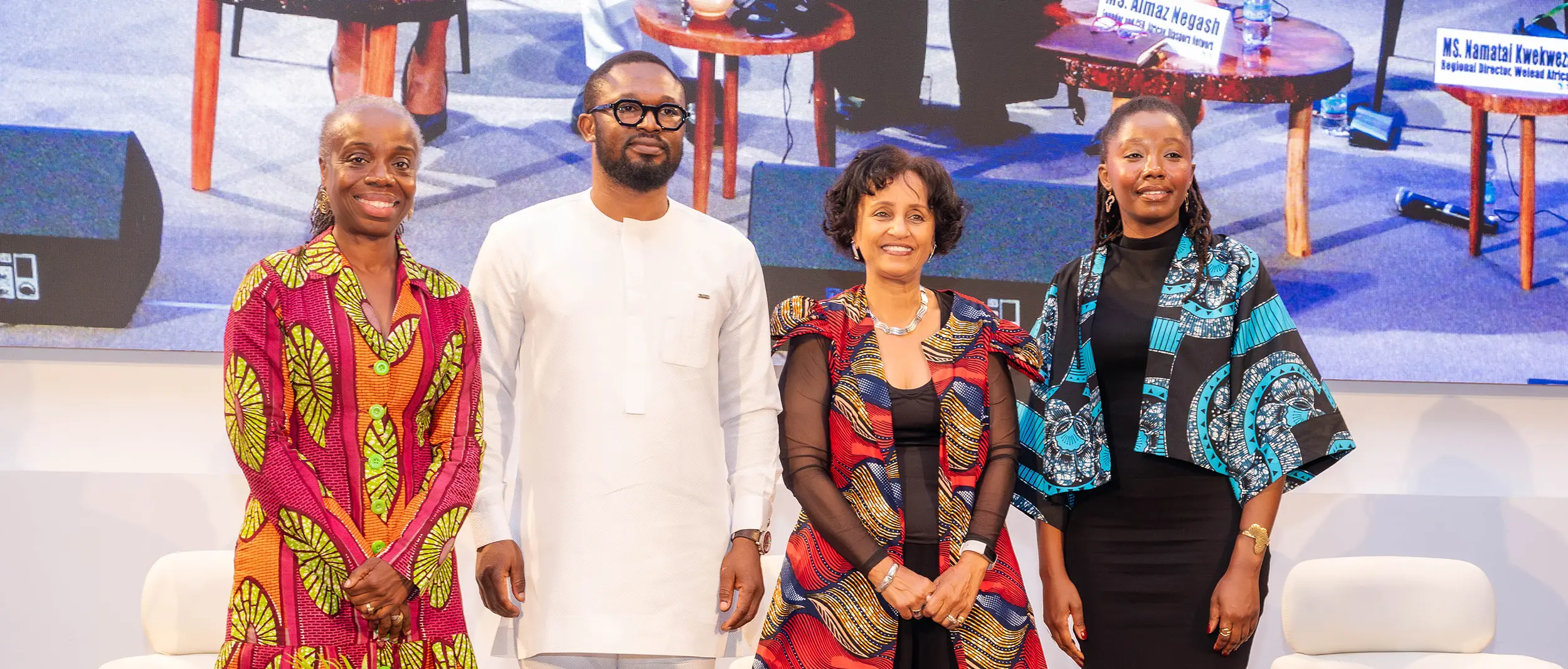
Earlier this month, I traveled to Abidjan, Côte d’Ivoire, at the invitation of Prof. Kevin Chika Urama, Chief Economist and Vice President for Economic Governance and Knowledge Management at the African Development Bank Group. The occasion was the 2026 African Economic Conference (AEC), co-hosted by the AfDB, UNDP, and OECD, held under a theme that could not have felt more urgent: Strengthening Africa’s Geopolitical Agency and Trade Resilience in a Multipolar World.
Who Was Actually in the Room
A New Voice at the Table
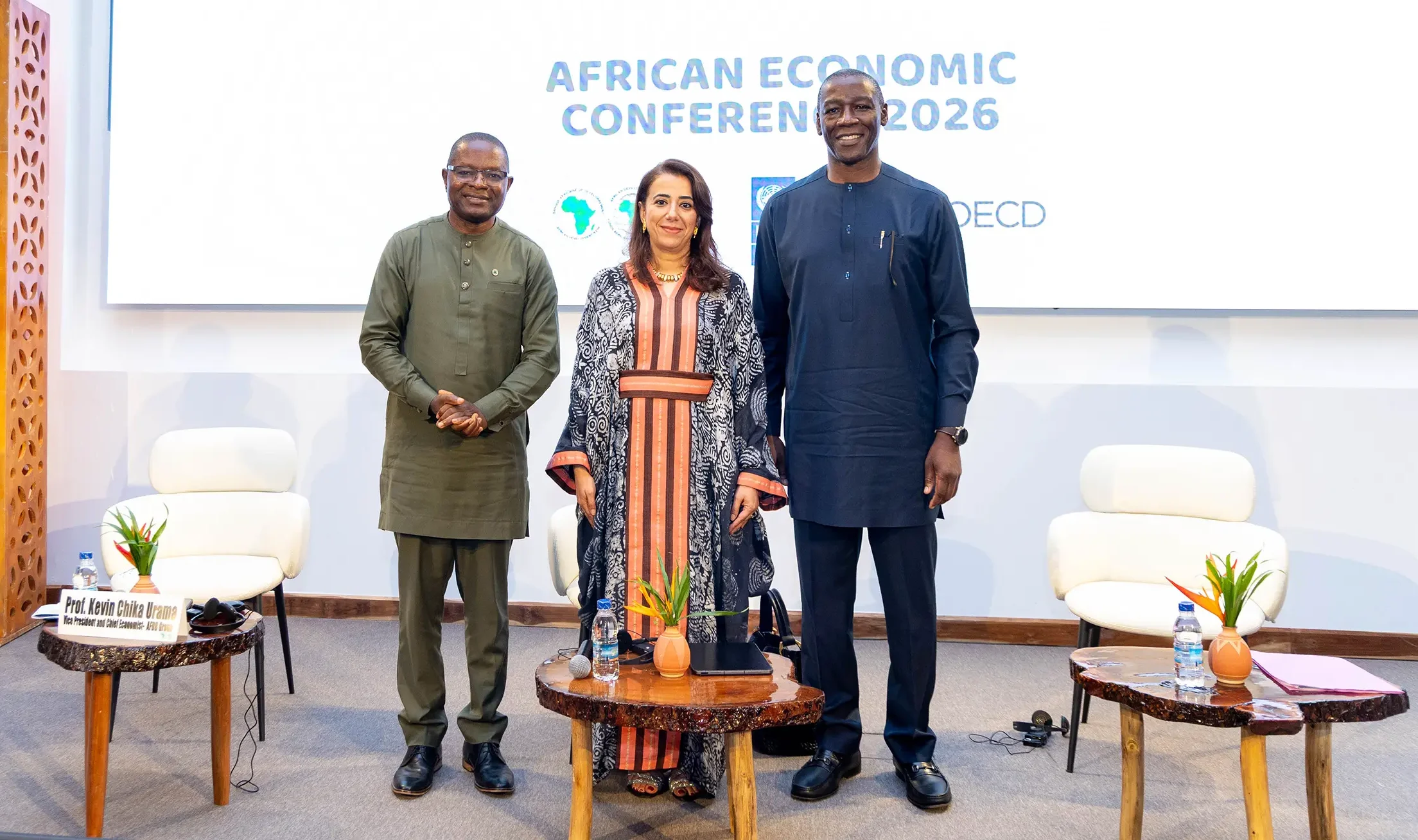
This matters more than it might sound. For decades, African countries have often negotiated debt restructuring, interest terms, and trade agreements one at a time, individually, without the benefit of a shared analytical base or coordinated strategy. A continent that can pool its economic intelligence walks into those negotiations with real leverage. The ACE-Network is built to do exactly that, and I believe it is one of the most consequential institutional developments to come out of Africa’s economic policy space in years.
Where ADN Fits
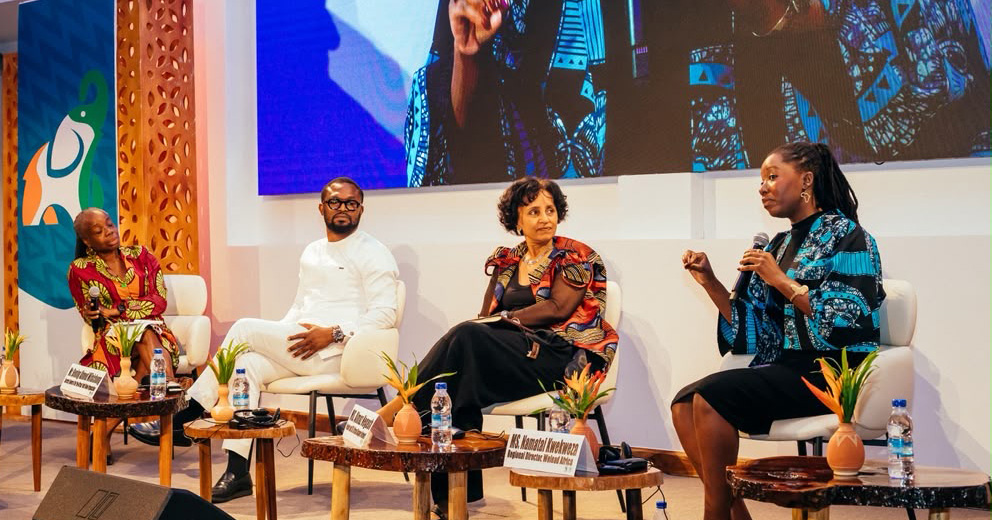
Takeaways: Prof. Urama's Challenge and Opportunity
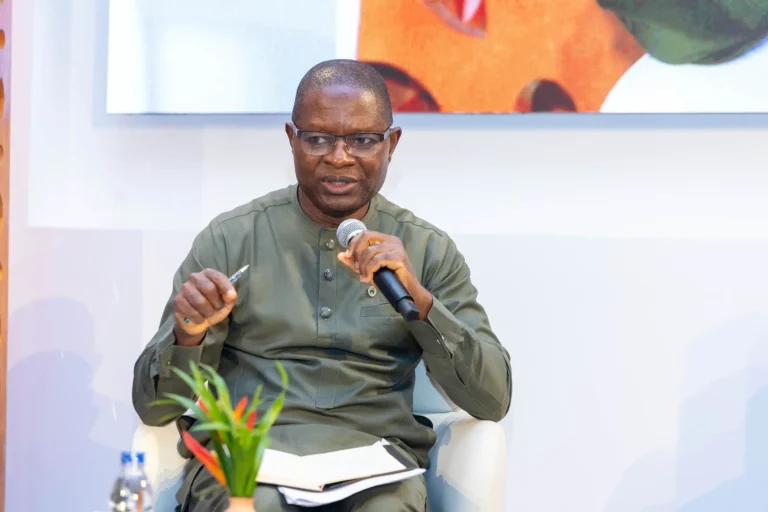
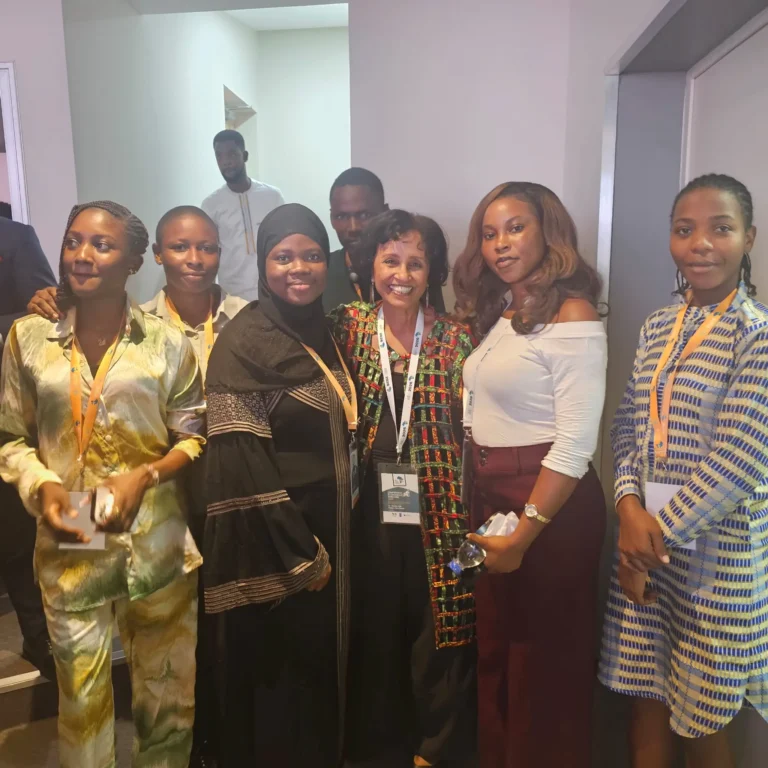
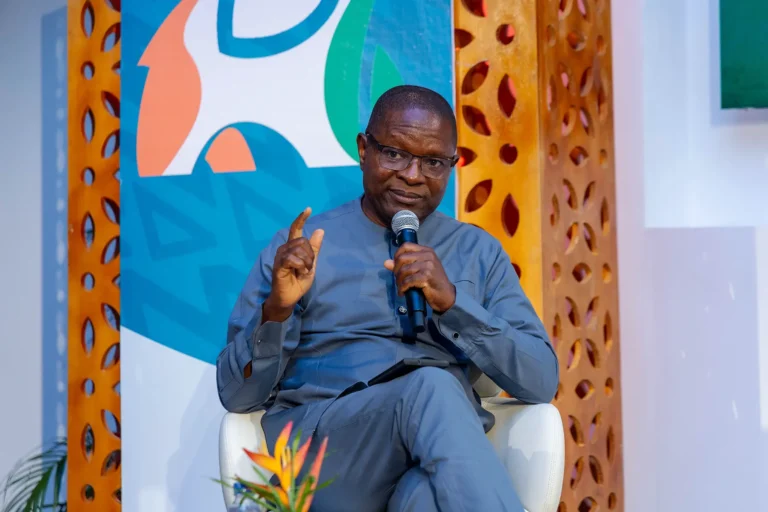
Prof. Urama’s keynote was the throughline of the conference for me, and it’s worth highlighting. He walked the room through the arc of global economic partnership — from a unipolar order, to a bipolar one, to today’s multipolar landscape shaped by the United States, China, and the EU together. He spent most of his time in that last frame, and deliberately so: his vision was solution-oriented rather than grievance-oriented, an invitation to build rather than to complain.
A few points from his remarks that I think deserve to sit with our readers:
- Economic diplomacy. Africa’s leverage in a multipolar world depends on speaking with coordination, not as fragmented negotiators. This is precisely what the ACE-Network is built to do.
- Revenue mobilization, and the cost of debt. Africa spends an estimated $87 billion a year simply servicing debt. Prof. Urama was direct that this must change, and that remittances, and diaspora capital more broadly, have a real role to play in easing that burden. He also flagged a hard truth: the poorer the country, the higher the interest rate it is charged, compounding the very inequality that debt relief is supposed to address.
- The upside case. Prof. Urama balanced today’s fiscal pressures with a powerful message of optimism. Africa’s untapped domestic revenue potential is estimated at $781 billion annually, while structured policies could increase African diaspora investments from $104.8 billion today to $179 billion by 2030—and as much as $1.1 trillion by 2050. His point was clear: Africa’s financing challenge is not simply about finding more money. It is about creating the policies, institutions, and partnerships that allow African capital—both at home and across the diaspora—to work more effectively for Africa’s development.
Just as significant, to me, was his openness to expanding the ACE-Network itself: a real willingness to consider bringing diaspora economists, including those based outside the continent, into the network as full participants in shaping Africa’s economic future, not as outside commentators